
Blog · By the Westminster Express Plumbing Team · Published 2026-09-25
The First 10 Minutes of a Plumbing Emergency
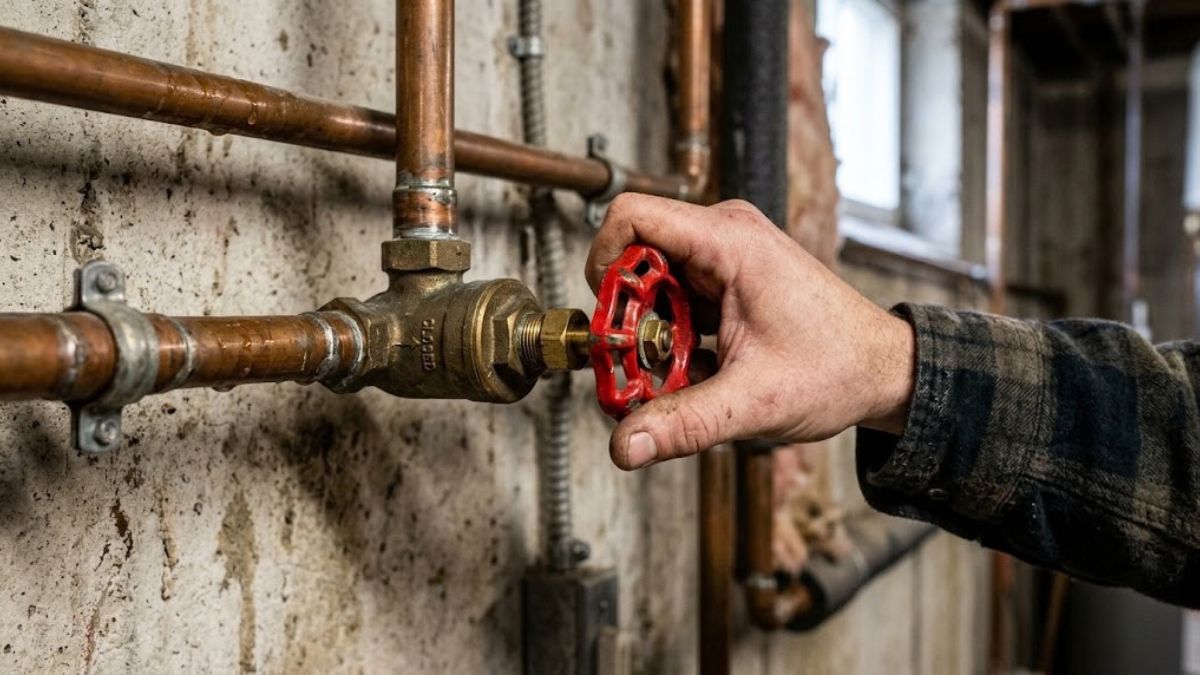
In the first 10 minutes of any serious plumbing emergency, shut off the water at the main, turn off electricity to any affected area if water is near outlets or a breaker panel, move valuables away from the water, and call for help, in roughly that order, since stopping the water matters more than anything else you can do.
Step One: Shut Off the Water
Find and turn your main shutoff valve, usually in the basement, a crawl space, or along an exterior wall where the water line enters the house. If you can't immediately identify which specific fixture or line is the source, shutting off the main is always the safer default over guessing.
This is exactly why it's worth locating your main shutoff before an emergency happens, not during one. A minute spent searching for it during an active flood is a minute of extra water damage.
Step Two: Address Electrical Safety
If water is pooling anywhere near an outlet, breaker panel, or plugged-in appliance, and it's safe to reach the breaker panel without stepping through standing water, shut off power to that specific area. If reaching the panel would mean walking through water, don't. Call for help instead and stay clear.
This follows the same basic electrical safety standard any licensed electrician or plumber is trained on: water and live current don't mix, and the safer default is always to cut power from a dry, safe location rather than risk crossing standing water to reach a switch.
Step Three: Protect What You Can
Move furniture, electronics, and valuables away from the affected area if it's safe and quick to do so. Don't spend extended time on this if the water is still actively flowing. The priority is stopping the source first, protecting belongings second.
Step Four: Document Before You Clean
If you have a phone handy, a few quick photos of the damage before cleanup starts are genuinely useful, both for us when we arrive and for any insurance claim that follows. This takes seconds and is easy to forget once the adrenaline of an emergency kicks in.
What Not to Do
Don't use a wet-dry vac on standing water if there's any chance it's near an electrical source. Don't attempt to thaw a frozen pipe with an open flame. And don't wait to see if a leak gets worse before calling. Water damage compounds fast, and the cost of waiting almost always exceeds the cost of an emergency call.
A Real Emergency Response
A homeowner who found water actively spraying from a burst supply line called while simultaneously shutting off the main, a combination that meaningfully limited the damage compared to a similar call where the resident wasn't sure where the shutoff was and lost nearly twenty extra minutes searching before help arrived.
That difference, knowing the shutoff location in advance versus discovering it during a crisis, is consistently the single biggest factor in how much damage a burst pipe ends up causing.
Building Your Own Emergency Plan Now
Take five minutes this week to locate your main shutoff, confirm it turns freely, and make sure everyone in the household knows where it is. That single step does more to limit potential damage than almost anything else on this list, and it costs nothing but a few minutes of attention before you actually need it.
Building a Simple Home Emergency Kit
A basic kit, a flashlight, a pipe wrench or adjustable wrench sized for your specific shutoff valves, a few old towels, and this phone number saved somewhere accessible, takes minimal effort to assemble and meaningfully speeds up your response when an actual emergency happens.
Keep it somewhere easy to find under stress, not buried in a garage cabinet behind other things, since the whole point is being able to grab it quickly during the exact moment you're least likely to be thinking clearly.
After the Immediate Crisis Is Handled
Once the water's shut off and the immediate danger has passed, resist the urge to start cleanup before documenting the damage, since photos taken in the first hour are more useful for an insurance claim than photos taken after furniture has already been moved and water has already been mopped up.
Contact your insurance company promptly to understand what documentation they'll need and whether they want to send an adjuster before any repair or cleanup work begins, since starting major cleanup before that conversation can sometimes complicate a claim.
Once things are stabilized, that's the point to have a broader conversation about why the emergency happened in the first place, whether it was a one-off failure or a sign of a larger issue worth addressing before it happens again.
The single most useful thing you can do isn't anything on this list, it's locating your main shutoff valve today, before you ever need it. Everything else in an emergency gets easier once that one piece of preparation is already handled.
It's worth walking through this mentally now, before an actual emergency, rather than reading it for the first time while water is actively spreading across a floor. A calm, prepared response in the first ten minutes genuinely changes the outcome, both in terms of total damage and total repair cost once everything is said and done.
Share this with everyone in your household, not just whoever usually handles home maintenance decisions. An emergency doesn't wait for the most knowledgeable person to be home, and everyone benefiting from knowing where the shutoff is and what the first steps are meaningfully improves your household's actual readiness.
Print this list, or save it somewhere you'd actually find it under stress, a kitchen bulletin board, a note on the fridge, rather than buried in a phone folder you'd have to search for during the exact moment you're least equipped to search calmly. A minute of preparation now is worth far more than a minute spent searching later.
First 10 minutes, in order
| Step | Action |
|---|---|
| 1 | Shut off water at the main |
| 2 | Cut power to affected area if safe |
| 3 | Move valuables, then call for help |
FAQ
What if I don't know where my main shutoff is?
Call immediately and describe what you're seeing. A dispatcher can often help you locate a likely spot over the phone while help is on the way.
Should I try to fix the leak myself while waiting?
Only if it's a simple, safe action like tightening an accessible fitting by hand. Don't attempt any repair that requires tools or getting near standing water and electrical sources.
How fast can an emergency plumber actually arrive?
Response time varies by conditions and current call volume, but emergency dispatch is treated as priority work, not scheduled around other jobs.
Is it worth calling if I'm not sure it's a real emergency?
Yes. Describe what you're seeing to the dispatcher, and they'll help you assess whether it needs a truck tonight or can reasonably wait for a scheduled visit.
"Real answers, then a real plumber if you need one."☎ Call (303) 552-3896