
Blog · By the Westminster Express Plumbing Team · Published 2026-09-25
What to Do When Pipes Freeze in Westminster, CO
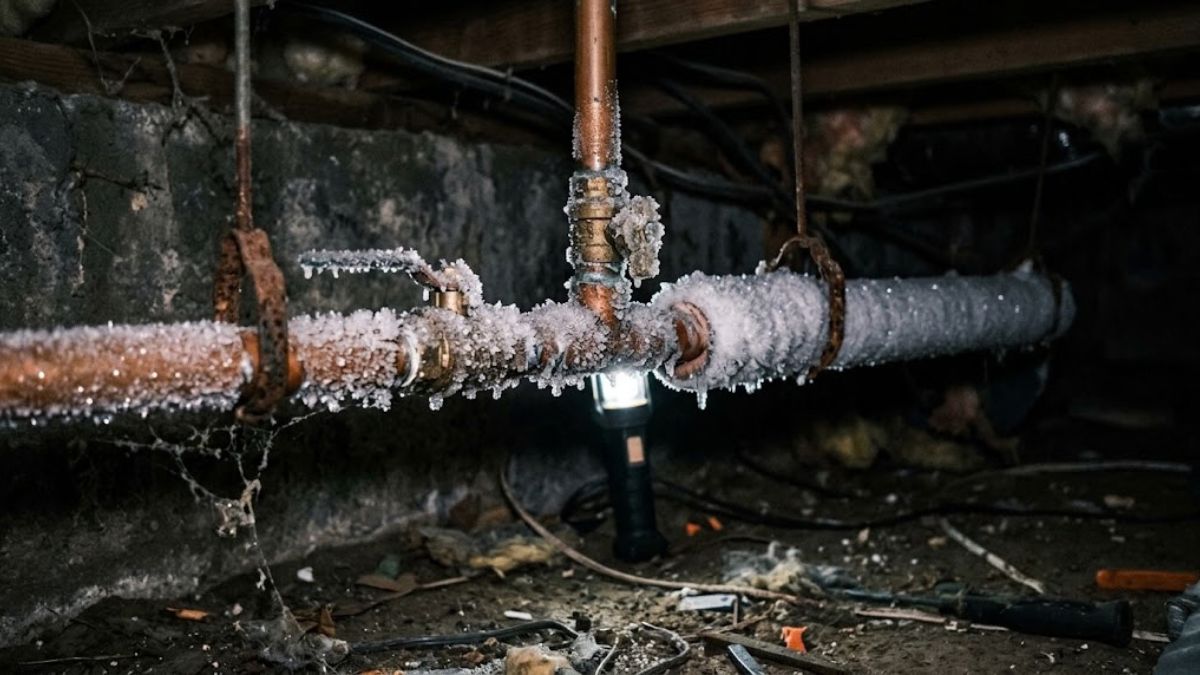
If you suspect a frozen pipe, shut off the water at the main if you can reach it, open the affected faucet slightly to relieve pressure, apply gentle heat to an exposed section with a hair dryer if it's safely accessible, and call a plumber rather than using an open flame, which is a real fire risk in a tight crawl space or wall cavity.
Why Front Range Winters Are Different
It's rarely one brutally cold night that cracks a pipe. It's the freeze-thaw cycle typical of the Front Range, a hard freeze followed by a quick warm-up, that does the real damage, since the pipe freezes, expands, and cracks internally, and the crack only becomes visible once things thaw and water starts flowing through the damaged section again.
That pattern means a frozen pipe problem can announce itself days after the actual cold snap, once temperatures climb back up, which catches a lot of Westminster homeowners off guard.
Where Pipes Actually Freeze
Exposed pipe in an unheated garage, a crawl space, or against an exterior wall without adequate insulation is where the real risk lives. Pipe running through conditioned living space almost never freezes, even during a hard cold snap, because it stays within a normal indoor temperature range.
Step by Step: What to Do Right Now
First, locate the main shutoff and turn it off if you're not sure which specific line is frozen or if you see any sign of a crack. Second, open the nearest faucet on the affected line slightly, which relieves pressure and gives water somewhere to go as the ice begins to melt. Third, apply gentle, safe heat, a hair dryer on a low setting, or space heater positioned safely away from anything flammable, to an exposed section if you can reach it.
What not to do: never use a blowtorch, propane heater, or any open flame near a pipe, especially inside a wall or crawl space, and never leave a space heater unattended near exposed insulation or wood framing. This follows standard fire-safety guidance from the National Fire Protection Association around open flame near combustible building materials, not just plumbing-specific advice.
After the Thaw
Once water is flowing again, check the area closely for any dampness, dripping, or pooling, since a pipe that froze and cracked internally often doesn't show the leak until the ice fully clears and full water pressure returns.
If you find any sign of a leak, shut the water back off and call rather than waiting to see if it gets worse, since a cracked line under full pressure can flood a space quickly.
A Real Front Range Freeze Scenario
A common pattern: a hard freeze hits overnight, temperatures stay below freezing for a day or two, then a Chinook-style warm-up moves through and temperatures jump 30 or 40 degrees within hours. That's exactly when frozen pipe calls spike, not during the cold snap itself but in the hours after it breaks.
A homeowner who noticed reduced water pressure during the cold snap but didn't think much of it often finds an active leak once things warm up and the ice inside the pipe fully releases.
When to Handle It Yourself vs. Call
If you can see and safely reach the frozen section, a hair dryer or a safely positioned space heater is a reasonable first attempt. If the frozen section is inside a wall, under a slab, or you're not sure exactly where the blockage is, that's the point to call rather than start opening drywall on a guess.
Any sign of an actual crack, water actively leaking rather than just reduced flow, is always a call-now situation, not a wait-and-see one, regardless of how minor it looks at first.
Insurance Considerations for Frozen and Burst Pipes
Many homeowner policies cover sudden damage from a burst pipe, but some carry exclusions for freeze-related damage if a home was left unheated or vacant during the event, which is worth understanding before an actual cold snap rather than after a claim gets denied.
Keeping a consistent thermostat setting, even while traveling, isn't just a prevention measure, it's often a condition of coverage buried in the policy's fine print.
Our Emergency Frozen Pipe Response
When a frozen pipe call comes in, we ask a few quick questions first: is water flowing at all, is there any visible sign of a crack or leak, and where is the affected section located. That triage determines whether we treat it as an immediate dispatch or a same-day scheduled visit.
On arrival, we assess whether the pipe has actually cracked or is simply still frozen and blocked. A blocked-but-intact line gets carefully thawed with controlled heat. A cracked line gets isolated and repaired before we ever attempt to restore flow through it.
We also use every frozen pipe call as a chance to flag other at-risk sections of the same home's plumbing, since a home that's had one frozen pipe usually has similar exposure elsewhere that's worth addressing before it becomes next winter's emergency call too.
Front Range winters are a real, recurring part of owning a home here, not a rare event worth ignoring until it happens. A little preparation before the season, paired with knowing exactly what to do in the moment, is what separates a minor inconvenience from a genuine emergency when the next hard freeze arrives.
Do this, not that
| Do | Don't |
|---|---|
| Shut off the main water supply | Use an open flame or blowtorch |
| Open the nearest faucet slightly | Ignore reduced flow during a cold snap |
| Use a hair dryer on exposed pipe | Leave a space heater unattended |
FAQ
How long does it take a pipe to freeze in Colorado?
It varies by insulation and exposure, but an uninsulated pipe in an unheated space can freeze within just a few hours of sustained sub-freezing temperatures during a hard Front Range cold snap.
Can I prevent frozen pipes without a plumber?
Yes, insulating exposed pipe, sealing drafts near crawl space vents, and keeping cabinet doors open under sinks on exterior walls during a cold snap all meaningfully reduce the risk on your own.
Is a frozen pipe covered by homeowners insurance?
Many policies cover the sudden damage from a burst pipe, though coverage for pipes that froze due to inadequate heating or an extended vacancy can vary. Check your specific policy.
What if I can't find my main shutoff valve?
Most Westminster homes have it in the basement, crawl space, or along an exterior wall where the water line enters the house. It's worth locating before an emergency, not during one.
Should I leave a faucet dripping during a cold snap?
A slow drip from a faucet on an exterior wall can relieve pressure buildup and reduce freeze risk during an especially hard cold snap, though insulation is a more reliable long-term fix.
"Real answers, then a real plumber if you need one."☎ Call (303) 552-3896