
Blog · By the Westminster Express Plumbing Team · Published 2026-09-25
Is a Running Toilet Wasting Your Money Now?
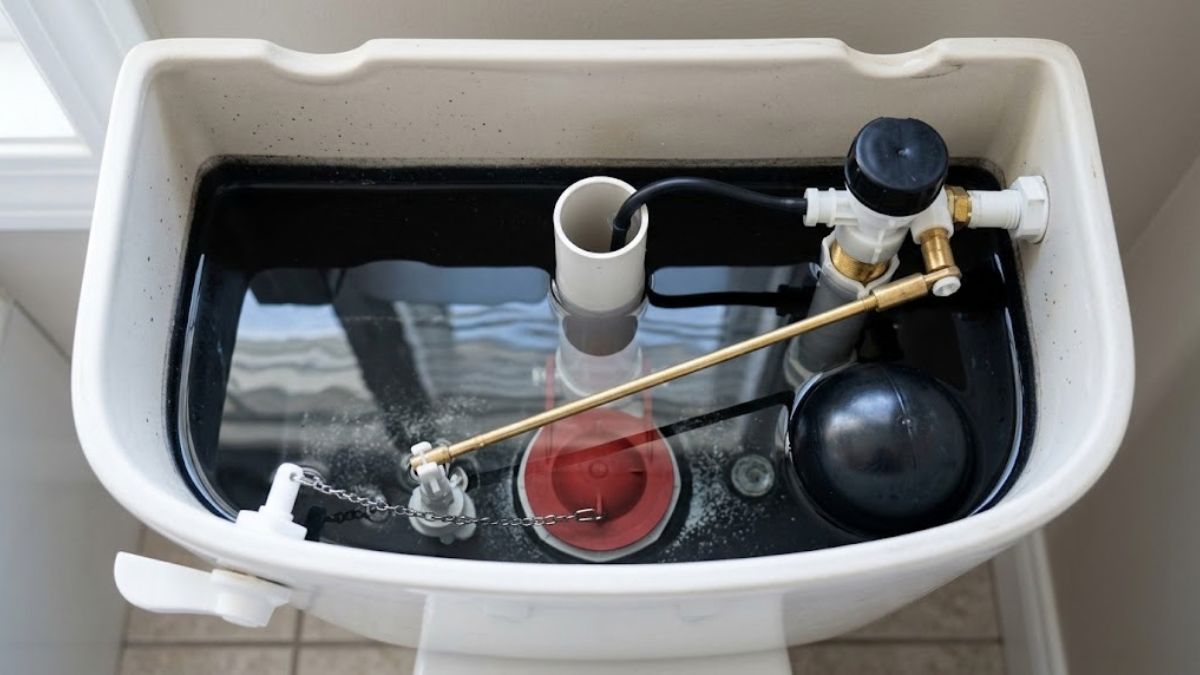
Yes, a running toilet can waste hundreds of gallons of water a day, often without making enough noise to notice, and the fastest way to check is a simple dye test: add a few drops of food coloring to the tank, wait 15 minutes without flushing, and check whether color has appeared in the bowl.
Why Toilets Run in the First Place
Two parts cause nearly every running toilet: a worn flapper, the rubber seal at the bottom of the tank that's supposed to seal shut after a flush, or a fill valve that doesn't fully shut off once the tank reaches its target level.
Both are inexpensive parts, but a running toilet left unaddressed for weeks or months adds up to real, measurable cost on a water bill, often before anyone in the house notices something's wrong.
The Dye Test
Lift the tank lid and add a few drops of food coloring, dark colors work best, directly to the water in the tank, not the bowl. Wait 15 minutes without flushing. If color shows up in the bowl during that window, water is leaking past the flapper seal.
Other Signs Beyond the Dye Test
A faint hissing or trickling sound from the tank, a toilet that intermittently refills on its own without being flushed, or a fill valve that never seems to fully stop running are all signs worth investigating even without the dye test.
Repair Cost and What's Involved
A flapper or fill valve replacement is one of the most affordable plumbing repairs there is, typically $120 to $220 including the visit, and most repairs are completed within 30 minutes once a technician is on-site.
If the toilet itself is decades old and inefficient beyond just the running issue, replacement with a modern low-flow model sometimes makes more sense than repeatedly repairing an aging unit.
A Real Cost Example
A moderately running toilet can waste 200 gallons a day or more, which at typical Westminster water rates adds up to a genuinely noticeable increase on a monthly bill, often the difference between a normal bill and one that makes a homeowner start investigating.
One recent call involved a toilet that had apparently been running for months before anyone noticed, since the sound was faint enough to blend into normal household noise. The dye test confirmed it immediately, and the fix took less time than the diagnosis.
Repair vs. Replace: A Real Decision Point
A toilet under 15 years old with a single failed part is almost always worth repairing rather than replacing. A toilet original to a much older home, especially a pre-1994 model using well over 3 gallons per flush, often makes more sense to replace outright, since the water savings alone can offset a meaningful part of the replacement cost over time.
Environmental Impact Beyond the Bill
Beyond the direct cost, a running toilet wastes a genuinely significant amount of treated drinking water for no benefit, water that took real energy and resources to treat and deliver in the first place, which is worth considering alongside the financial argument for fixing it promptly.
In a state where water rights and supply are a real, ongoing conversation, an easily fixed household leak is a small but meaningful thing to address, beyond just the money it saves.
What We Check Beyond the Obvious Fix
When we're called for a running toilet, we don't just replace the obviously worn part. We check the flush valve seat for corrosion or mineral buildup that could cause a new flapper to fail prematurely, and we check the fill valve's actual shutoff height against the tank's overflow tube.
We also check the shutoff valve behind the toilet during the same visit, since a valve that's seized from disuse becomes its own emergency the first time someone actually needs to use it, and it's a five-minute check worth doing while we're already there.
For an older toilet with a history of repeated issues, we'll give an honest opinion on whether continued repair still makes sense or whether replacement has become the more sensible long-term choice, rather than defaulting to whichever option is more profitable for us.
A running toilet is one of the most fixable plumbing problems there is, cheap parts, a fast repair, and a real, immediate improvement to your water bill. There's genuinely no good reason to let one keep running once you've noticed it.
If you have more than one toilet in the house, it's worth running the dye test on all of them periodically, not just the one you suspect, since a slow leak in a rarely used guest bathroom can run undetected for months simply because nobody's paying attention to that specific toilet's sound or behavior.
A running toilet is also worth checking anytime you notice a general uptick in your bill even without a dramatic spike, since a slow, partial flapper leak can waste real water without ever producing the more obvious symptoms described above.
It's a small fix with an outsized return, one of the few plumbing repairs where the cost is genuinely recovered within a matter of months through the water savings alone, which is rare enough in home maintenance to be worth acting on quickly rather than letting it sit on a to-do list indefinitely while the bill keeps climbing month after month.
Check your tank today if you haven't already. It really does take less time than reading this article, and ruling it out settles the question for good.
Running toilet: cause and fix
| Symptom | Likely cause | Typical fix |
|---|---|---|
| Color appears in bowl during dye test | Worn flapper | Flapper replacement |
| Tank never stops filling | Fill valve | Fill valve replacement |
| Intermittent refill with no flush | Slow flapper leak | Flapper replacement |
FAQ
How much water does a running toilet actually waste?
Depending on severity, a running toilet can waste anywhere from tens to hundreds of gallons a day, which shows up as a real, visible increase on a monthly water bill.
Can I fix a running toilet myself?
A flapper replacement is a reasonably approachable DIY job for many homeowners. A fill valve replacement is slightly more involved but still doable with basic tools and a trip to a hardware store.
How do I know if it's the flapper or the fill valve?
The dye test isolates flapper leaks specifically. If the tank simply never stops running or refilling regardless of the dye test result, the fill valve is the more likely culprit.
Is a running toilet ever an emergency?
Rarely. It wastes water and money but doesn't typically risk damage the way a leak or burst pipe does, so it's reasonable to schedule a standard, non-emergency visit.
"Real answers, then a real plumber if you need one."☎ Call (303) 552-3896