
Blog · By the Westminster Express Plumbing Team · Published 2026-09-25
Slab Leak Warning Signs for Westminster Homeowners
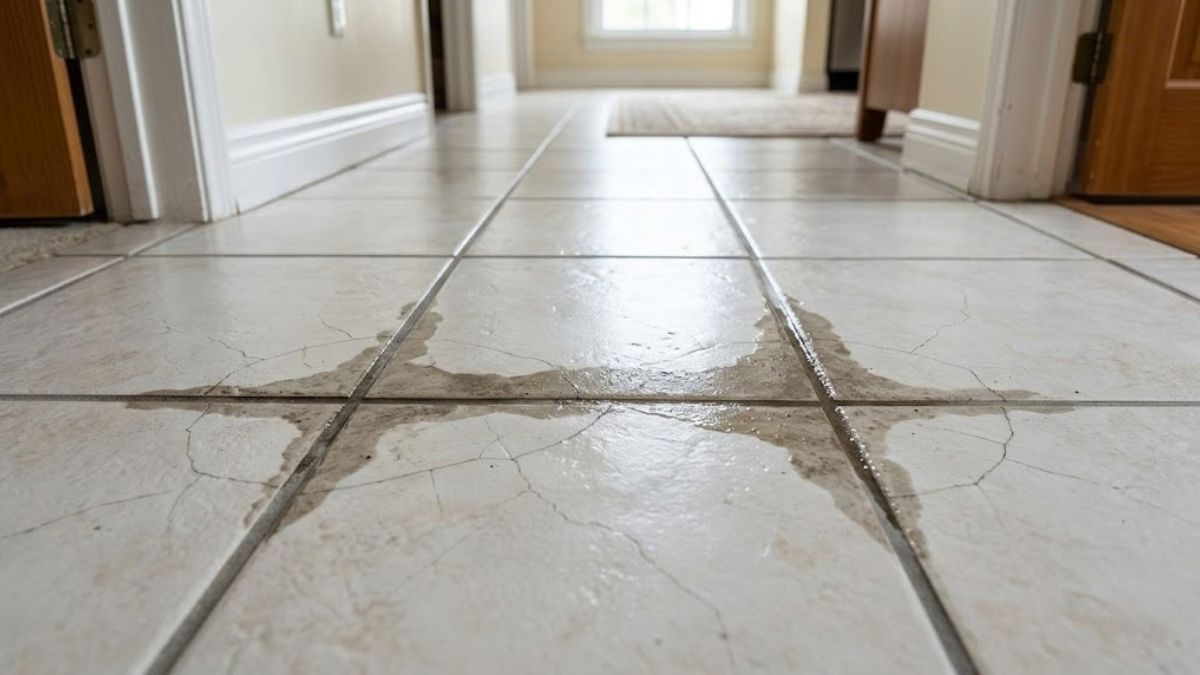
The most common slab leak warning signs are a warm spot on an otherwise cool floor, a water bill that's climbed with no visible cause, the sound of running water when everything is off, and cracking in flooring or baseboards, and any one of these on its own is worth a professional leak detection visit.
Why Slab Leaks Happen in Westminster Homes
Copper supply lines run under the concrete slab in a lot of the city's older single-story construction, and over decades, ground movement, corrosion, or a manufacturing flaw in the original pipe can wear a pinhole leak that stays completely invisible until water starts finding its way up.
Homes near the older core of the city, closer to the Bell Tower area, see this more often simply because that housing has had more decades for a slab leak to develop.
The Four Signs That Matter Most
A warm spot on the floor, especially if it's on a slab-on-grade single story home, often means a hot water line is leaking directly beneath that section. A climbing water bill with no other explanation is frequently the very first sign, showing up before anything is visible or audible at all.
The sound of running water with every fixture off is a strong, if less common, indicator, and cracking in flooring, tile, or baseboards can mean water has been undermining the slab for long enough to affect the structure above it.
Why Guessing Doesn't Work
Because the leak is under a solid concrete slab, there's no way to visually locate it without specialized acoustic equipment, and opening concrete on a guess is expensive and can miss the actual leak entirely.
Professional leak detection uses acoustic listening equipment that picks up the sound of water escaping under pressure, even through concrete, and narrows the location to within a small radius before any digging starts.
What Happens After Detection
Once a leak is confirmed and located, there are two real paths: a spot repair that opens a small, targeted section of slab directly over the leak, or a reroute that runs new line through the attic or an exterior wall, avoiding the slab section entirely.
The right call usually depends on the rest of the home's plumbing. One isolated leak on an otherwise sound system often favors a spot repair. A home already showing other age-related plumbing issues often favors a reroute instead.
A Real Slab Leak, From First Sign to Repair
A common pattern: a homeowner notices their water bill is $40 to $60 higher than usual for two months running, with no obvious explanation, no new appliance, no guests staying longer, nothing visibly wrong. A meter check with everything off confirms it's moving.
Detection narrows the leak to a small area under a hallway. A spot repair opens roughly two square feet of slab, repairs the pinhole leak, and patches the concrete, typically completed within a single day once the leak is confirmed and located.
DIY Checks vs. Professional Detection
Checking your water meter and watching for a warm spot on the floor are both things any homeowner can do without special equipment. Actually locating a slab leak precisely enough to know where to open concrete requires acoustic detection equipment that isn't a reasonable DIY purchase for a one-time repair.
Guessing and opening concrete without detection first is a real risk, since a slab leak's actual location often isn't directly under the warmest-feeling spot on the floor. Sound and heat both travel through concrete in ways that aren't perfectly intuitive.
Preventing a Slab Leak in the First Place
There's no way to fully prevent a slab leak in a home with copper lines running under the foundation, but keeping water pressure within a normal range, ideally under 80 psi, reduces stress on aging pipe and can meaningfully extend its service life.
A pressure-reducing valve is a relatively inexpensive addition for any home with consistently high water pressure, and it's worth checking during any other plumbing visit even if a slab leak isn't the immediate concern.
What We Actually Bring to a Detection Visit
A real detection visit uses acoustic listening equipment that picks up the specific sound signature of water escaping under pressure, distinct from normal household ambient noise, and narrows the leak's location to a small, targeted area before any concrete is touched.
We also check the water meter's flow rate against known fixture usage to confirm a leak exists and roughly estimate its severity before detection even begins, which helps set realistic expectations about repair scope from the start.
Once located, we mark the area clearly and walk through the repair options on the spot, spot repair or reroute, with a real price for each, rather than leaving a homeowner to schedule a separate visit just to hear next steps.
A slab leak sounds alarming, and in some ways it is, but it's also a well-understood, routinely solved problem for a licensed plumber with the right detection equipment. Catching it early, before it's caused secondary damage to flooring or drywall, is almost always the difference between a manageable repair and a much bigger project.
It's also worth knowing that not every warm spot or water bill increase turns out to be a slab leak. Sometimes the actual cause is simpler, a running toilet, an irrigation issue, which is exactly why a proper diagnostic visit matters before assuming the most expensive explanation is automatically correct.
If you do confirm a slab leak, try not to panic about the repair itself. Modern detection and repair methods are well-established, and most jobs are completed within a day or two once the leak is located and a repair path is chosen.
Slab leak repair paths
| Approach | Typical cost |
|---|---|
| Detection visit | $250 - $400 |
| Spot repair | $900 - $2,500 |
| Reroute (avoiding the slab) | $1,800 - $4,000 |
FAQ
How much does slab leak detection cost?
A standard electronic leak detection visit in Westminster typically runs $250 to $400, separate from any repair that follows once the leak is located.
Can a slab leak cause foundation damage?
Prolonged water under a foundation can affect soil stability beneath the slab in some cases, which is part of why a confirmed slab leak is worth addressing promptly rather than postponing.
Is slab leak repair covered by homeowners insurance?
Many policies cover the cost of accessing and repairing a slab leak, though coverage specifics vary by insurer, so it's worth a call to your provider once the leak is confirmed.
How long does slab leak detection take?
A standard detection visit runs 60 to 90 minutes depending on the property's size and how many potential sources need to be ruled out.
"Real answers, then a real plumber if you need one."☎ Call (303) 552-3896