
Blog · By the Westminster Express Plumbing Team · Published 2026-09-25
Sump Pumps and Spring Snowmelt in Colorado
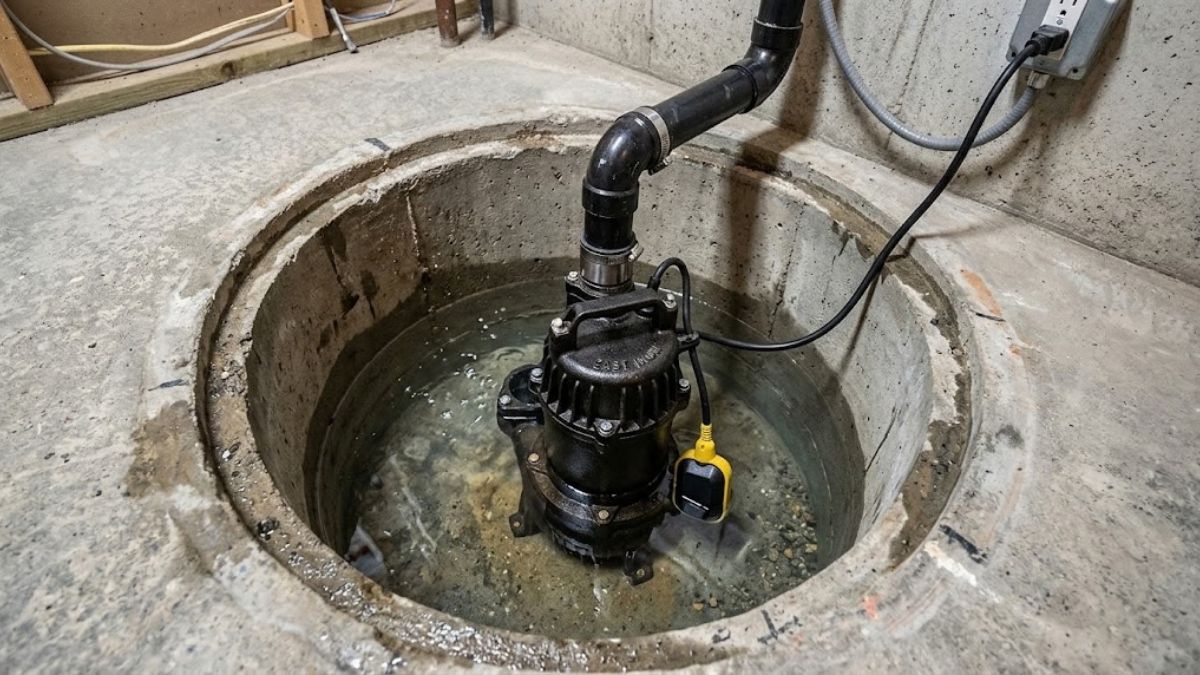
A fast spring snowmelt, especially combined with heavy rain, pushes groundwater levels up around a home's foundation quickly, and a sump pump that's undersized, aging, or has a failed check valve can fall behind during exactly that kind of sudden surge, which is when otherwise dry basements flood.
Why Colorado Snowmelt Is a Real Factor
The Front Range's clay-heavy soil drains more slowly than sandier ground, which means water from a fast melt has fewer places to go besides toward a home's foundation. A slow, gradual melt rarely causes problems. A fast one following a warm spell on top of significant snowpack is what actually overwhelms a marginal sump system.
Testing Your Pump Before You Need It
Pour a few gallons of water directly into the sump pit and watch the pump engage and clear it. It should activate promptly, run smoothly, and fully clear the water without excessive noise or hesitation. A pump that struggles with a simple test like this is worth having checked before an actual heavy snowmelt event, not after.
Primary Pumps vs. Battery Backup
A primary pump handles normal groundwater intrusion under regular power. A battery or water-powered backup system takes over specifically during a power outage, which is exactly the scenario when a primary pump is most likely to be needed and least likely to be able to run, since storms that cause flooding often also knock out power.
Any Westminster home that's lost power during a significant storm before should seriously consider a backup system alongside the primary pump.
Signs Your Current System Isn't Enough
A pump that runs constantly even without heavy rain, a musty smell developing near the sump pit, visible water intrusion during a past storm, or a pump that's simply over 7 to 10 years old are all reasons to have the system evaluated before the next real test comes.
A Real Snowmelt Season Story
A homeowner whose sump pump had run reliably for eight years without issue found it overwhelmed during an unusually fast melt following a late-season heavy snowfall, exactly the sudden-surge scenario a marginal system struggles with even when it's worked fine for years under normal conditions.
A replacement with a higher-capacity pump and a battery backup, installed before the following winter, meant the next comparable snowmelt event passed without incident, a direct result of upgrading before rather than after another failure.
What a Professional Sump Pump Evaluation Covers
We check the pump's actual capacity against the pit's real inflow rate, not just its horsepower rating, test the float switch's response time, and inspect the check valve for the kind of wear that lets water flow backward into the pit between cycles undetected.
Choosing the Right Pump Capacity
Pump capacity is measured in gallons per hour at a given lift height, and a pit that fills faster than the pump can clear it will eventually overflow regardless of how well the pump otherwise functions. Sizing correctly requires knowing your specific pit's actual inflow rate under a worst-case scenario, not just a generic horsepower rating.
We measure this directly during a sump pump evaluation rather than assuming a standard size fits every basement, since pit depth, soil type, and foundation drainage all affect the real number that matters.
Seasonal Maintenance Beyond the Annual Test
Beyond the once-a-year water-pour test, check the discharge line's exterior exit point periodically to confirm it isn't blocked by ice, debris, or vegetation growth, since a pump that's working perfectly can still fail to actually move water away from the foundation if its discharge point is obstructed.
Clean the sump pit itself of any accumulated debris or sediment occasionally, since buildup at the bottom of the pit can interfere with the float switch's movement, causing the pump to run inconsistently or fail to activate at the right water level.
For a home with a documented history of flooding risk, a water-level alarm, a simple, inexpensive device that alerts you if water rises above a normal threshold, adds an extra layer of warning beyond relying on the pump alone to handle everything silently and correctly.
A sump pump is easy to forget about until the exact moment you need it most, which is precisely why a simple annual check before spring snowmelt season matters more than its five minutes of effort would suggest. A flooded basement is a far bigger problem than the small time investment it takes to prevent one.
It's also worth checking your homeowner's insurance policy specifically for sump pump failure and water backup coverage, since standard policies often exclude this type of damage unless a specific endorsement has been added. A relatively inexpensive rider can be the difference between a covered claim and a fully out-of-pocket basement repair.
If your home has never had a sump pump and you're wondering whether one is worth installing, a history of any dampness in the basement, even minor, is usually reason enough to have a professional assess whether one makes sense for your specific foundation and drainage situation.
Spring snowmelt is predictable in the sense that it happens every year, even if the exact timing and intensity vary. Treating your sump system as due for a check each year before it arrives, rather than after a close call, is the difference between prevention and reaction.
Pump condition checklist
| Sign | What it suggests |
|---|---|
| Pump runs constantly | Possible undersizing or float switch issue |
| Musty smell near pit | Possible past moisture intrusion |
| No backup during past outages | Real risk during storm-related power loss |
FAQ
How often should a sump pump be tested?
A simple water-pour test is worth doing at least once a year, ideally right before the spring snowmelt season starts, so any issue is caught with time to address it.
How long do sump pumps typically last?
A standard pedestal or submersible pump usually lasts 7 to 10 years with normal use. One that's run through several major storm events without failing is usually near the end of that range regardless of its exact age.
Is a battery backup really necessary in Westminster?
It depends on your home's flood history and whether you've lost power during past storms. For a basement that's never had water intrusion and reliable power, it's a valuable extra layer rather than a strict necessity.
What does sump pump installation typically cost?
A standard sump pump replacement runs $500 to $1,100. Adding a battery backup system typically adds $400 to $800 to that.
Can I install a sump pump myself?
It's a more involved job than it looks, since correct pit sizing, check valve installation, and discharge line routing all affect long-term performance. Most homeowners get better results having it professionally installed.
"Real answers, then a real plumber if you need one."☎ Call (303) 552-3896