
Blog · By the Westminster Express Plumbing Team · Published 2026-09-25
Winterizing Your Westminster Home's Plumbing
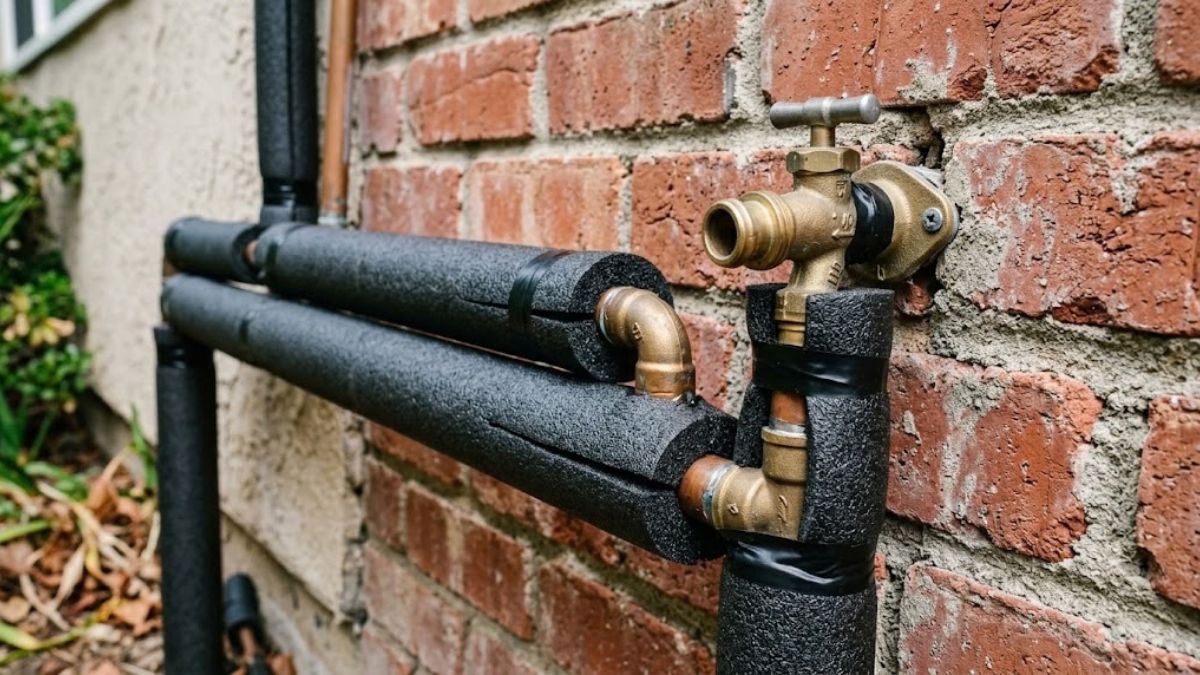
Winterizing a Westminster home's plumbing means disconnecting and draining outdoor hoses, insulating exposed pipe in garages and crawl spaces, sealing drafts near foundation vents, knowing where the main shutoff is, and, for homes with a history of freeze issues, keeping cabinet doors open under sinks on exterior walls during the coldest nights.
Before the First Hard Freeze
Disconnect garden hoses from every exterior spigot and drain them fully. A hose left attached traps water in the spigot itself, which is a common and easily avoided cause of a frozen and cracked outdoor faucet.
If your home has a dedicated irrigation system, make sure it's been properly blown out and shut down for the season, since standing water in sprinkler lines freezes and cracks fittings just like any other pipe.
Insulate the Real Risk Areas
Exposed pipe in an unheated garage, crawl space, or against an exterior wall is where freeze risk actually concentrates. Foam pipe insulation, sold by the foot at any hardware store, is inexpensive and takes an afternoon to install on the sections that matter most.
Seal any obvious gaps or drafts near foundation vents and crawl space access points, since cold air infiltration is often what actually drops a pipe's immediate surroundings below freezing, even when the rest of the space seems fine.
Know Your Shutoff Before You Need It
Find your main water shutoff now, not during an emergency. Most Westminster homes have it in the basement, a crawl space, or along an exterior wall where the water line enters the house. Test that it actually turns, since a valve that hasn't been touched in years can seize.
During an Actual Cold Snap
On nights with a hard freeze in the forecast, opening cabinet doors under sinks on exterior walls lets warmer room air reach the pipe underneath, and a slow drip from an affected faucet relieves pressure buildup if a freeze does start to form.
Keep the thermostat at a consistent temperature rather than turning it down significantly overnight during the coldest stretches, since an unusually cold house raises freeze risk throughout, not just at the exterior walls.
A Real Pre-Winter Visit
A preventive winterization visit typically takes under an hour: checking exposed pipe in the garage and crawl space, confirming the irrigation system was properly blown out, testing the main shutoff valve, and pointing out any specific risk areas particular to that home's layout.
Homes we've flagged issues on before a freeze consistently avoid the emergency calls we see in homes that skip this step, which is really the whole case for a preventive visit over waiting to see what happens.
What We See Go Wrong Most Often
A garden hose left connected through the winter is the single most common preventable cause of a cracked outdoor spigot we see, followed by an irrigation system that wasn't fully blown out, leaving standing water in below-grade lines.
A main shutoff valve that's seized from disuse is the third most common issue, discovered at the worst possible time, during an actual emergency, rather than during a routine check when it can be addressed calmly.
A Room-by-Room Winterization Checklist
In the garage: insulate any exposed supply line, and if the garage door is left open for extended periods during a cold snap, understand that raises freeze risk for anything running along that wall. In crawl spaces: check that vents can be closed during the coldest months, and confirm insulation hasn't shifted or fallen away from pipe over time.
In the kitchen and bathrooms: know which sinks sit on exterior walls, since those are the ones worth opening cabinet doors under during an especially hard freeze, and confirm any outdoor-facing spigot has its own shutoff valve accessible from inside.
Why a Professional Pre-Winter Check Is Worth It
A homeowner walking through their own home can miss things a plumber catches immediately: a shutoff valve that looks fine but doesn't actually turn freely, insulation that's shifted away from a pipe behind a storage box, a crawl space vent that was left open from summer.
We also check water heater and boiler condition as part of a winterization visit, since a unit that's marginal going into winter is more likely to fail during the exact stretch of cold weather when you need it most and when scheduling a replacement is hardest.
A single preventive visit costs a fraction of what an actual frozen or burst pipe emergency runs, both in the repair itself and in the water damage that often comes with it, which is the real financial case for winterizing proactively rather than reactively.
None of this takes more than an afternoon, and it's genuinely the difference between a calm, uneventful winter and a frantic emergency call during the coldest week of the year. If you'd rather have a professional handle the check, we're glad to do a full walkthrough before the season turns.
Set a calendar reminder for early fall each year rather than relying on memory, since winterization tasks are easy to intend to do and then forget until the first hard freeze has already arrived. A simple recurring reminder is a small habit that prevents a genuinely costly and disruptive emergency.
If this is your first winter in a Westminster home, or your first in Colorado generally, it's worth treating this checklist as a genuine priority rather than an optional nice-to-have. Front Range winters catch a real number of newcomers off guard every year.
Pre-winter checklist
| Task | Why it matters |
|---|---|
| Disconnect & drain hoses | Prevents cracked outdoor spigots |
| Insulate exposed pipe | Protects garage, crawl space, exterior-wall lines |
| Locate main shutoff | Saves critical time in an actual emergency |
FAQ
When should I winterize in Westminster?
Aim to have hoses disconnected and irrigation shut down before the first hard freeze, which on the Front Range can realistically happen as early as October in some years.
Do I need to winterize if I have a newer home?
Newer construction generally runs better-insulated PEX lines with fewer exposed sections, but it's still worth disconnecting hoses and knowing your shutoff location regardless of the home's age.
What if I'm traveling during a cold snap?
Set the thermostat no lower than 55 degrees while away, and consider having a neighbor check the house periodically during an extended hard freeze.
Is pipe insulation a DIY job?
Yes, foam pipe insulation is designed for straightforward DIY installation, slit-open sleeves that fit over standard pipe diameters and seal with basic tape.
How much does professional winterization service cost?
A preventive check focused specifically on freeze risk is typically priced as a standard service call. Call for a quote based on your home's specific setup.
"Real answers, then a real plumber if you need one."☎ Call (303) 552-3896